XR-empowered dynamic reality modeling for AECO applications
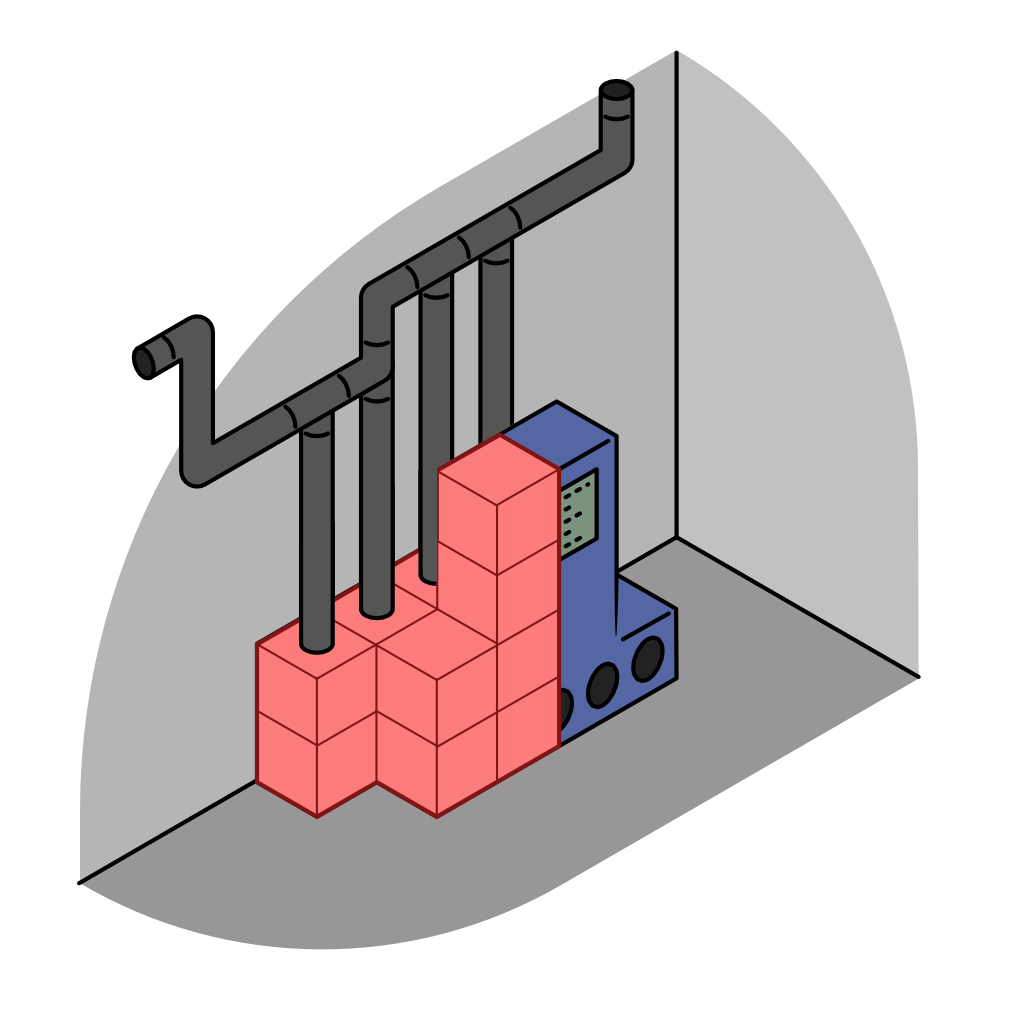
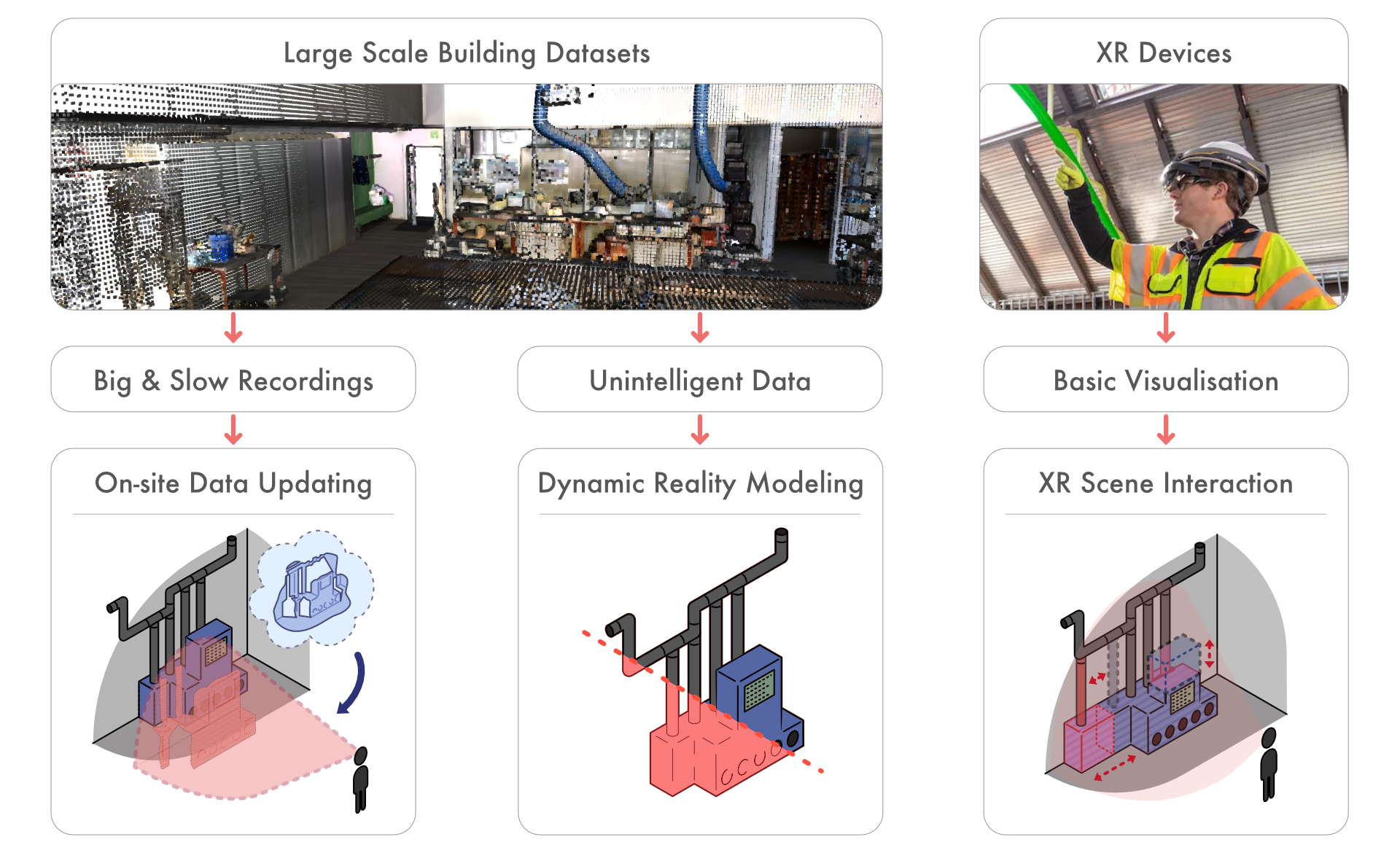
This project will innovate built environment digitization through dynamic reality modeling, a groundbreaking 3D modeling process with eXtended Reality (XR) technologies that simultaneously reconstructs –both seen and unseen– built environments, and interacts with these digital models in real-time to make real-world processes safer, more effective and more efficient. The crucial steps in harnessing XR technologies to dynamically digitize and interact with digital built environments can be divided in three segments.
On-site Data Updating
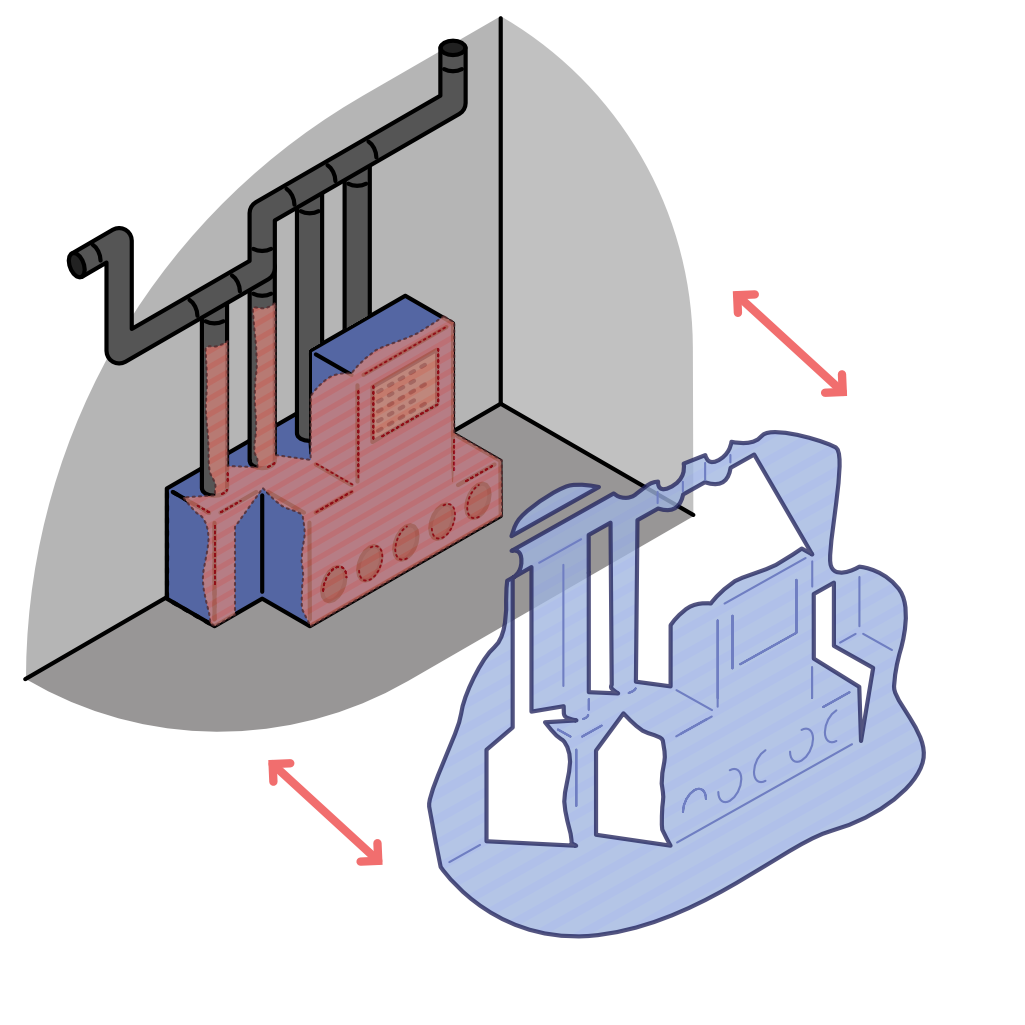
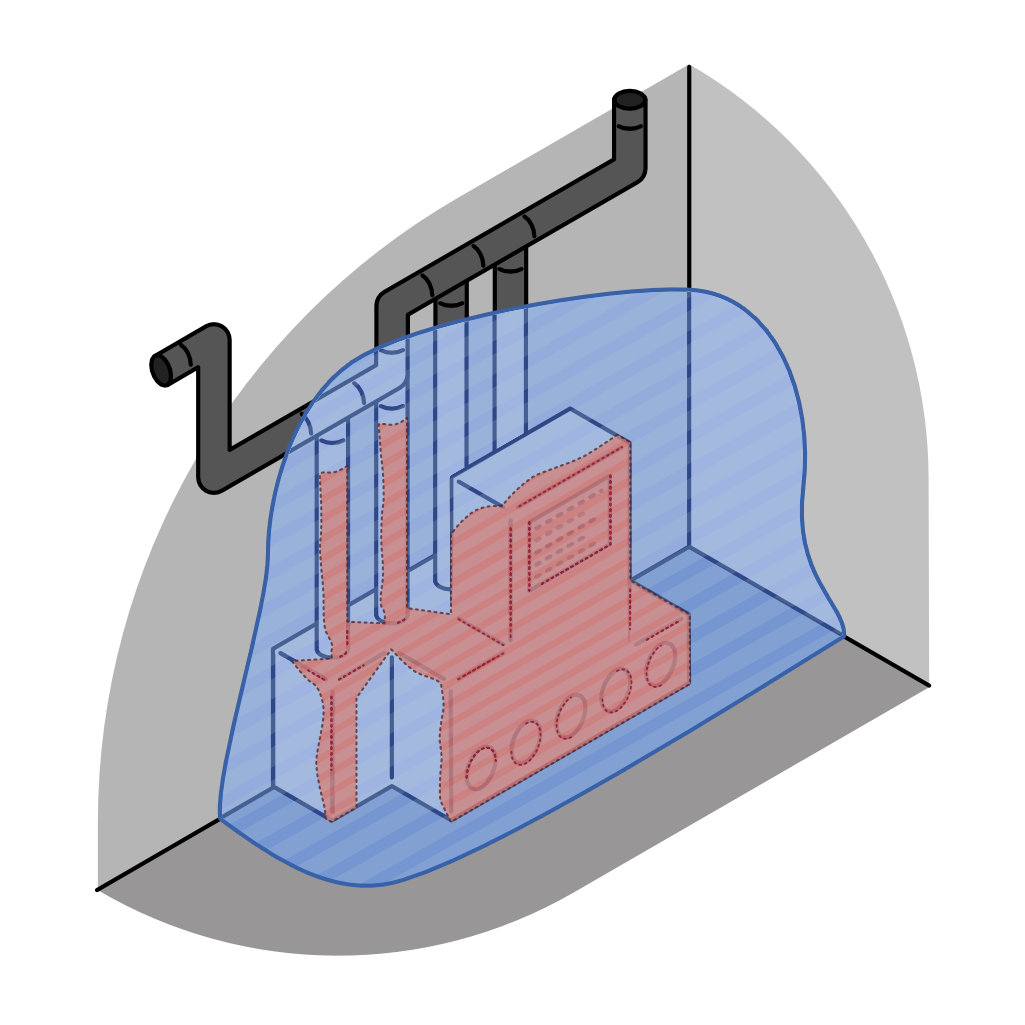
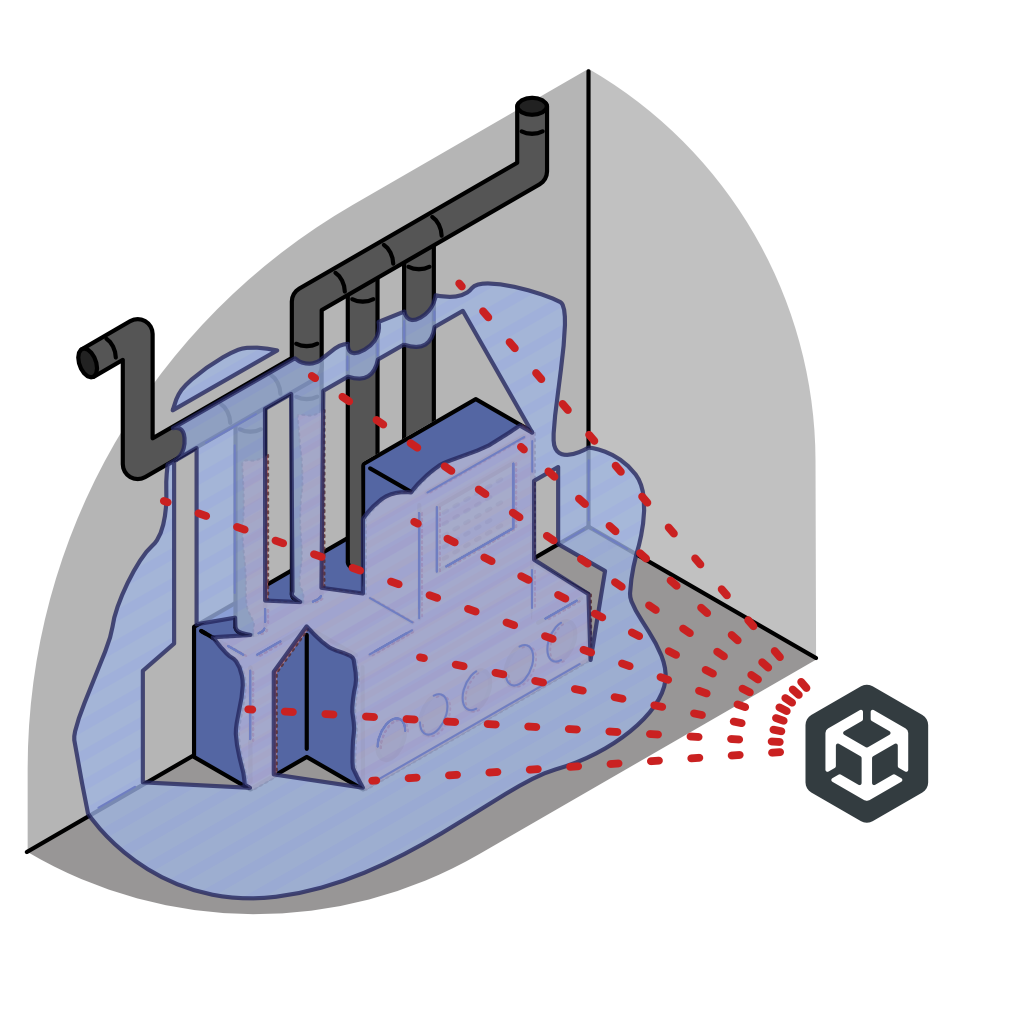
The first part of the research focusses on the use of XR technologies to digitize AECO structures. We aim to develop the cyclical processes to map, track and update digital information models with XR remote sensing. To this end, we will study the spatial registration of XR with pre-recorded datasets, taking into consideration that some scenes have changed (displaced objects). Subsequently, we will study how to use the XR recordings to dynamically update the digital built environment.
-
Journal
Two-Step Alignment of Mixed Reality Devices to Existing Building DataJun, 2022 -
Poster
Automatic alignment and completion of point cloud environments using XR dataJul, 2022 -

Journal
GEOMAPI: Processing close-range sensing data of construction scenes with semantic web technologiesMay, 2024 -
Conference
Synthetic Scan Dataset Generation for Non-Static ObjectsJul, 2026
Dynamic Reality Modeling
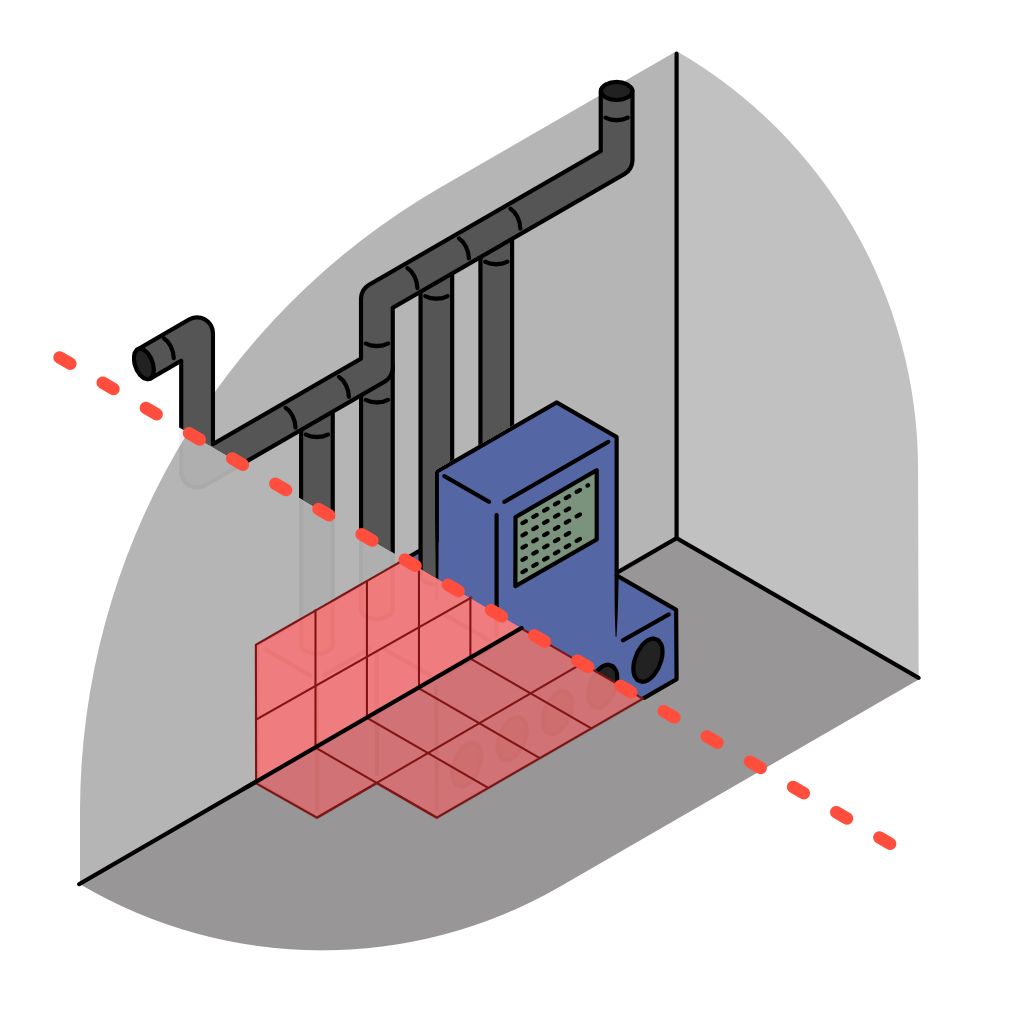
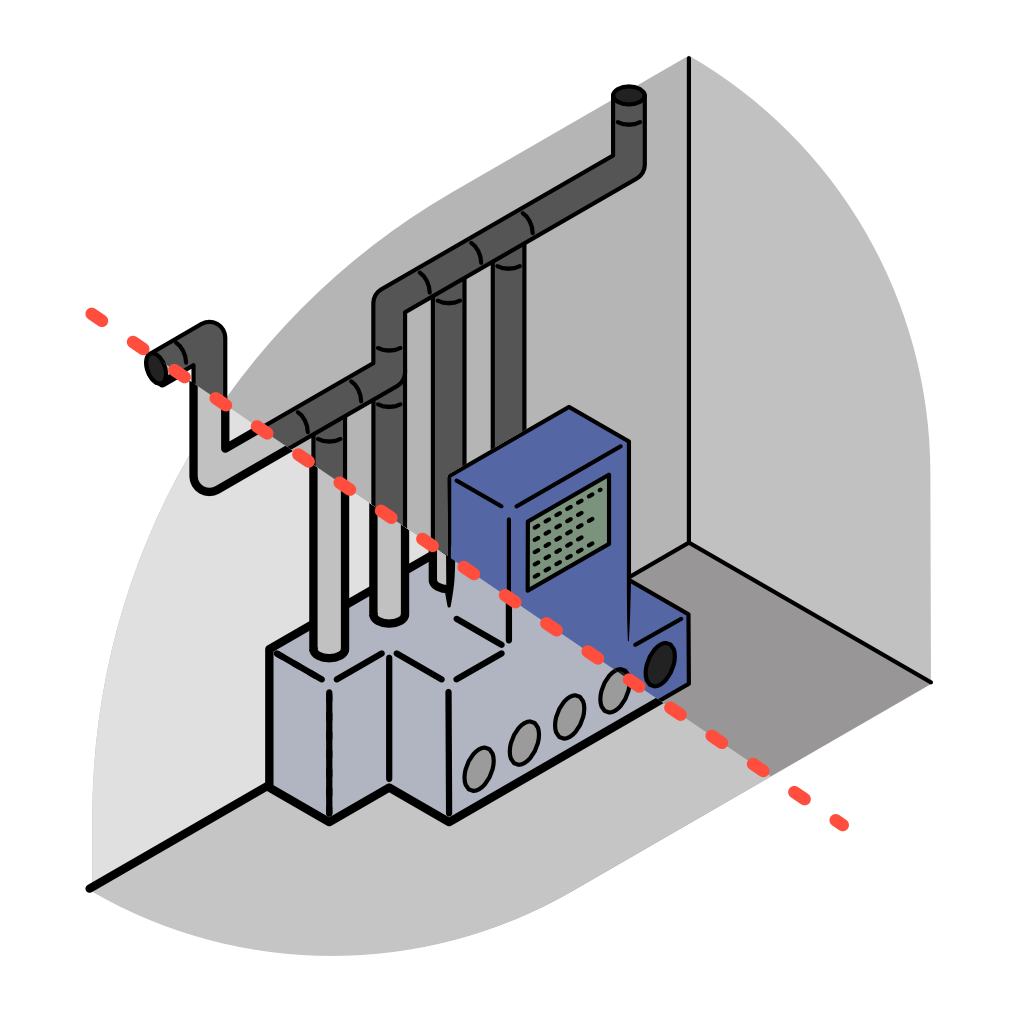
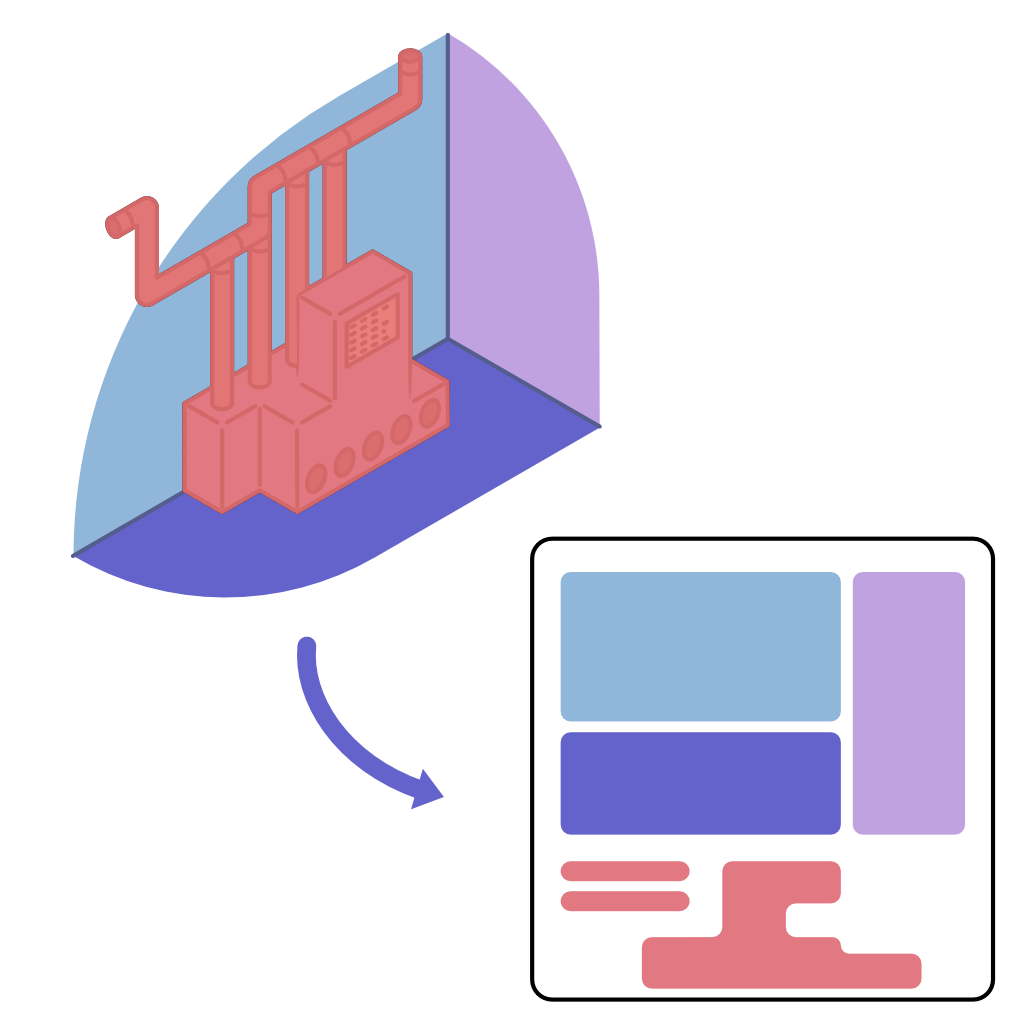
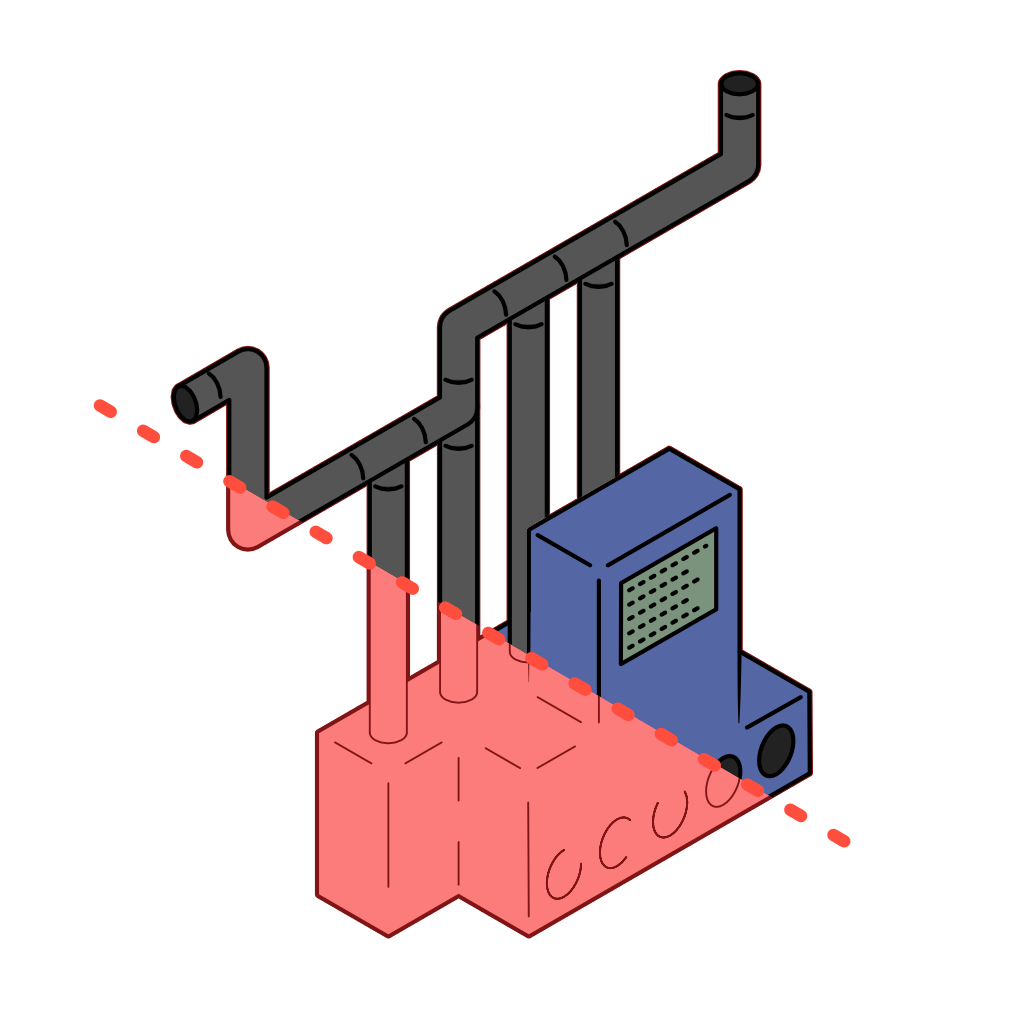
The second objective deals with the reality modeling from the pre-recordings and XR inputs. Specifically, we will develop the methods to segment objects from the scene and complete their shape and appearance so they can be used by AECO applications. To achieve this challenging task, we will study the joint processing of both image and geometry inputs. To this end, we will harness Generative 3D modeling that will allow us to model the observed object parts (shape, appearance and structure) and use that information to predict the obscured object parts (e.g. missing column or window parts).
-
Thesis
Object detection and removal in 3D scenes with geometry and texture reconstructionJun, 2023 -
Conference
Texture-based Separation to Refine Building MeshesSep, 2023 -
Conference
Semantic UV Mapping to Improve Texture InpaintingSep, 2024 -
Conference
Geometry and texture completion of partially scanned 3d objectsFeb, 2025 -
Thesis
Voxel guided object completion evaluation of indoor scenesJun, 2025
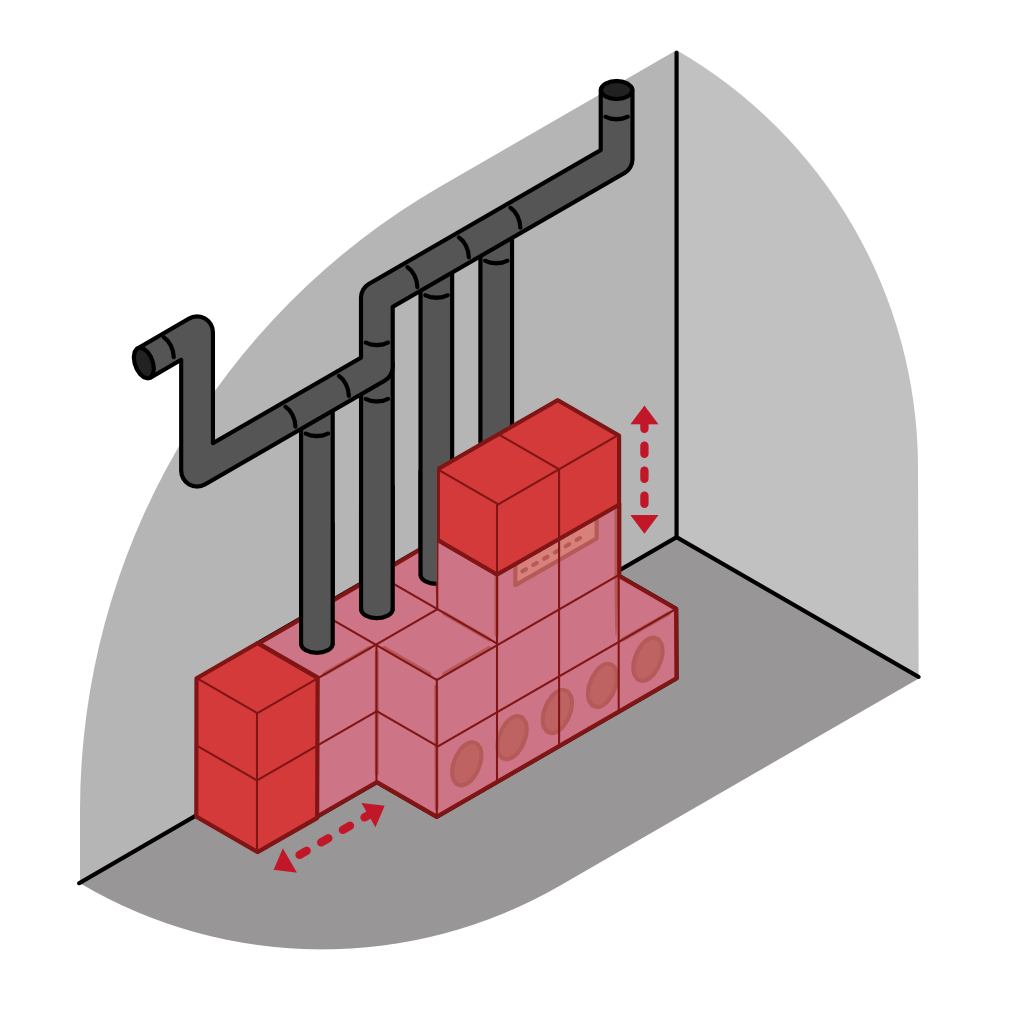
XR Scene Interaction
The third objective studies the interactions with the digital built environment. First, we will study how XR can be used to dynamically change the digital built environment as it records the real world i.e. by digitally mirroring the movement of objects in the real world. Second, we will study how to manipulate the real world from within the digital built environment i.e. show virtually changed objects in real environments for assembly or refurbishment. To this end, we will study how reality modeling can be combined with augmented and diminished reality to manipulate user experiences in real environments.